
Brigitte Bardot was far more than a film star; she became a cultural touchstone whose impact resonated worldwide.
Known as “BB,” a nickname often paired with playful infantilization by French tabloids, she came to represent youth, beauty, and a bold new sense of modernity just as cinema and society were entering a period of dramatic change.
Her career—full of compelling roles and relentless public attention—ensured a lasting legacy in both French culture and global cinema.
Early Career and Rise to Fame
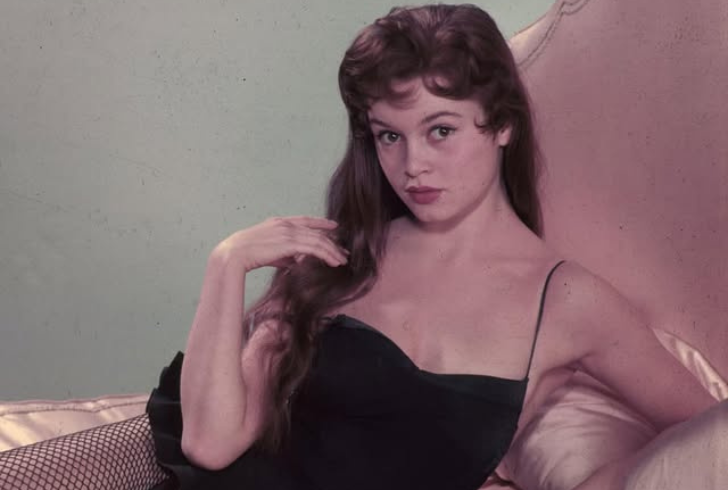
Bardot made her debut at the Cannes Film Festival in 1953, quickly emerging as a fresh and magnetic presence on screen. In the 1950s, before the sexual revolution, feminism, or the French New Wave, she represented a new modernity.
Youthful, sensual, and unapologetically captivating, Bardot challenged conventions and drew filmmakers such as François Truffaut to reconsider cinematic storytelling. She became one of France’s most sensational cultural exports, often compared to the Beatles in terms of influence, and transformed how international audiences perceived French cinema.
Her breakthrough came in 1956, at the age of 22, with the film “And God Created Woman.” In this Technicolor romantic comedy, Bardot played a striking blonde whose charisma and on-screen presence redefined the screen sexiness of the era. The film portrayed her character attracting the obsessive attention of an older man while captivating younger admirers, a theme that would recur in her early career.
Directed by her then-husband Roger Vadim, the film established Bardot as both a professional and personal muse under Vadim’s meticulous guidance.
Collaborations With Renowned Filmmakers
Bardot collaborated with some of cinema’s most acclaimed directors. In Louis Malle’s Vie Privée (Private Life, 1961), she played a version of herself, caught in the frenzy of celebrity as fans and the press followed her every move. The film explored the pressures of fame and the voyeuristic culture surrounding her.
Jean-Luc Godard cast her in Le Mépris (Contempt, 1963), as Camille, the striking wife of screenwriter Michel Piccoli. Godard’s approach emphasized the commercialized and sometimes exploitative gaze of cinema, highlighting the challenges Bardot faced under a director known for his cynical lens on female characters.
Agnès Varda’s Le Bonheur (Happiness, 1965) took a lighter, playful perspective on Bardot’s magnetism. A subtle cinematic cut reveals a man’s hidden admiration for her, underscoring her charm and universal appeal.
Notable Film Roles and Performances
Among Bardot’s filmography, a few roles stand out:
La Vérité (The Truth, 1960) – Henri-Georges Clouzot’s courtroom drama features Bardot as a woman accused of murder. The performance explores societal judgment and personal relationships, engaging with themes from Simone de Beauvoir’s The Mandarins on freedom and social hypocrisy.
“En Cas de Malheur” (In Case of Emergency, 1958) – Directed by Claude Autant-Lara, this crime melodrama casts Bardot as a woman accused of robbery who seduces her lawyer, played by Jean Gabin. The on-screen chemistry between Bardot and Gabin adds depth and poignancy, making the film a standout in her career.
“Shalako” (1968) – A Western co-starring Sean Connery. Despite some eccentricities, the film retains a unique charm and showcases Bardot in an unusual genre for her.
Life Beyond Cinema
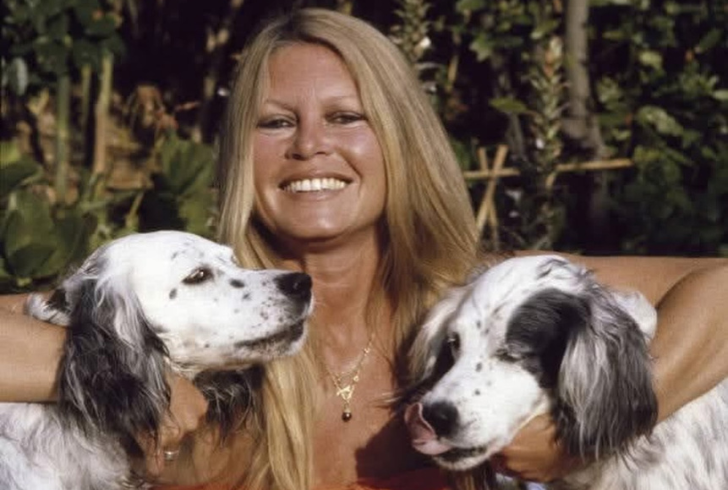
After leaving the film world in the mid-1970s, Bardot committed herself to animal welfare. She campaigned against the import of baby seals and turned her Bazoches estate into a sanctuary for goats, cats, ducks, and more. Her activism later included politically controversial positions, a reflection of her outspoken and independent nature.
A 1965 anecdote shows her composure: while caring for Alain Delon’s German shepherd in Méribel, the dog bit President Valéry Giscard d’Estaing. Bardot’s sincere apology impressed the president, a quiet testament to her ability to handle public attention with grace.